Lameness and poor performance investigations
A typical lameness investigation begins with a comprehensive orthopaedic examination, including:
In-depth review of the patient’s medical records and performance history
Visual inspection and palpation of your horse’s musculoskeletal apparatus
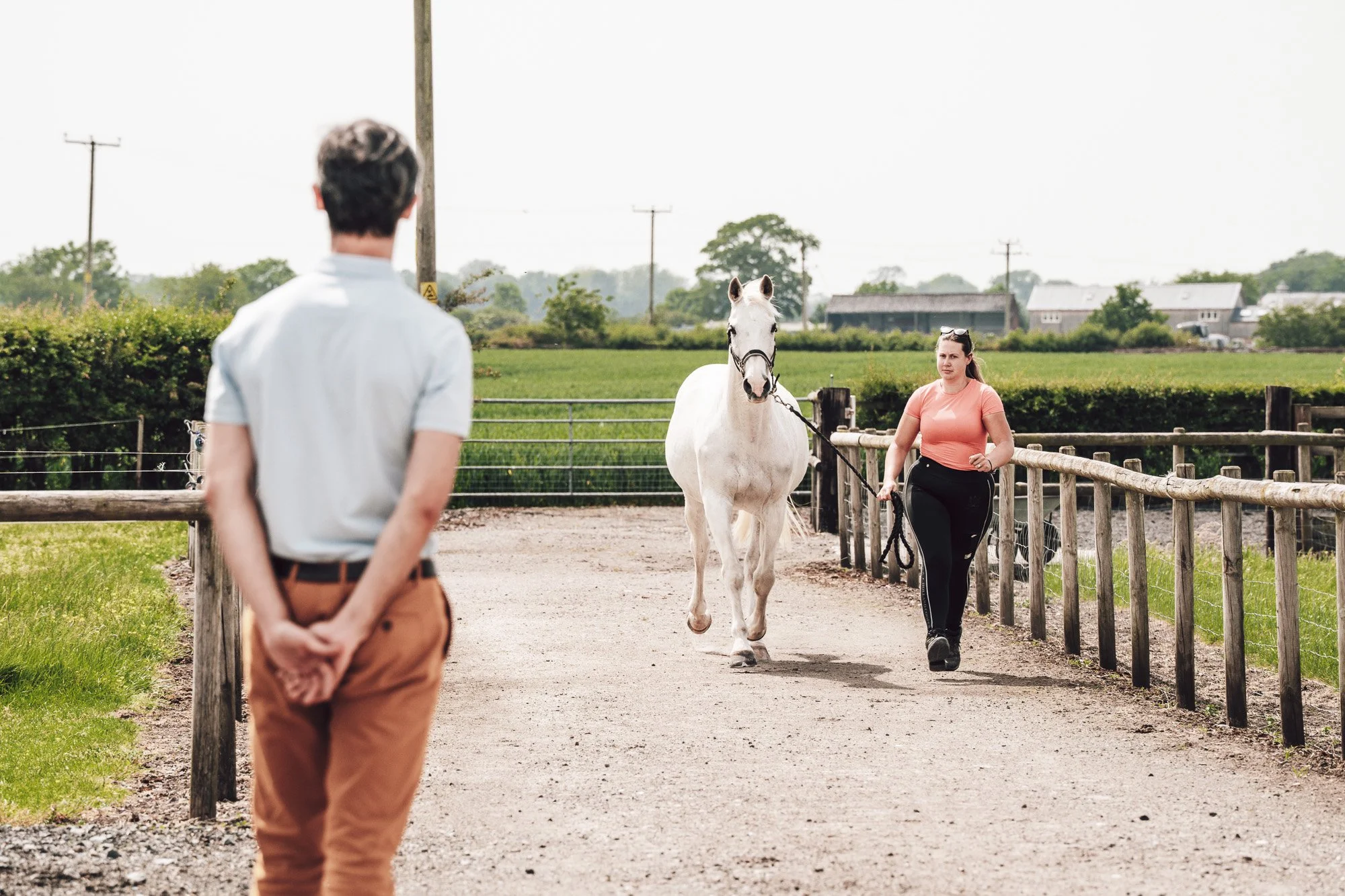
Assessment of your horse’s movement in-hand at walk and trot
Flexion tests to assess joint mobility and response
Evaluation on the lunge on both hard and soft surfaces
Assessment under saddle, if indicated
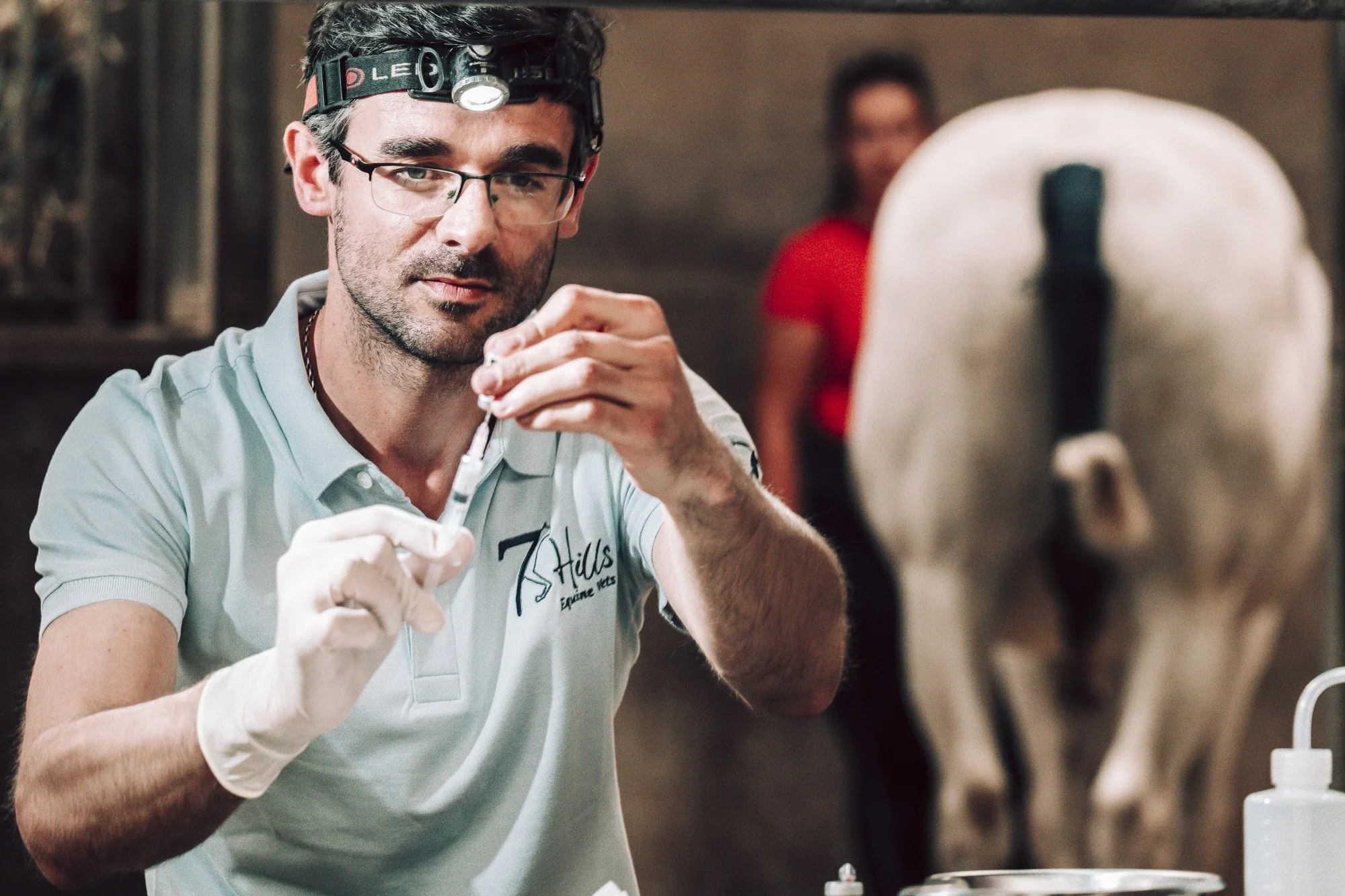
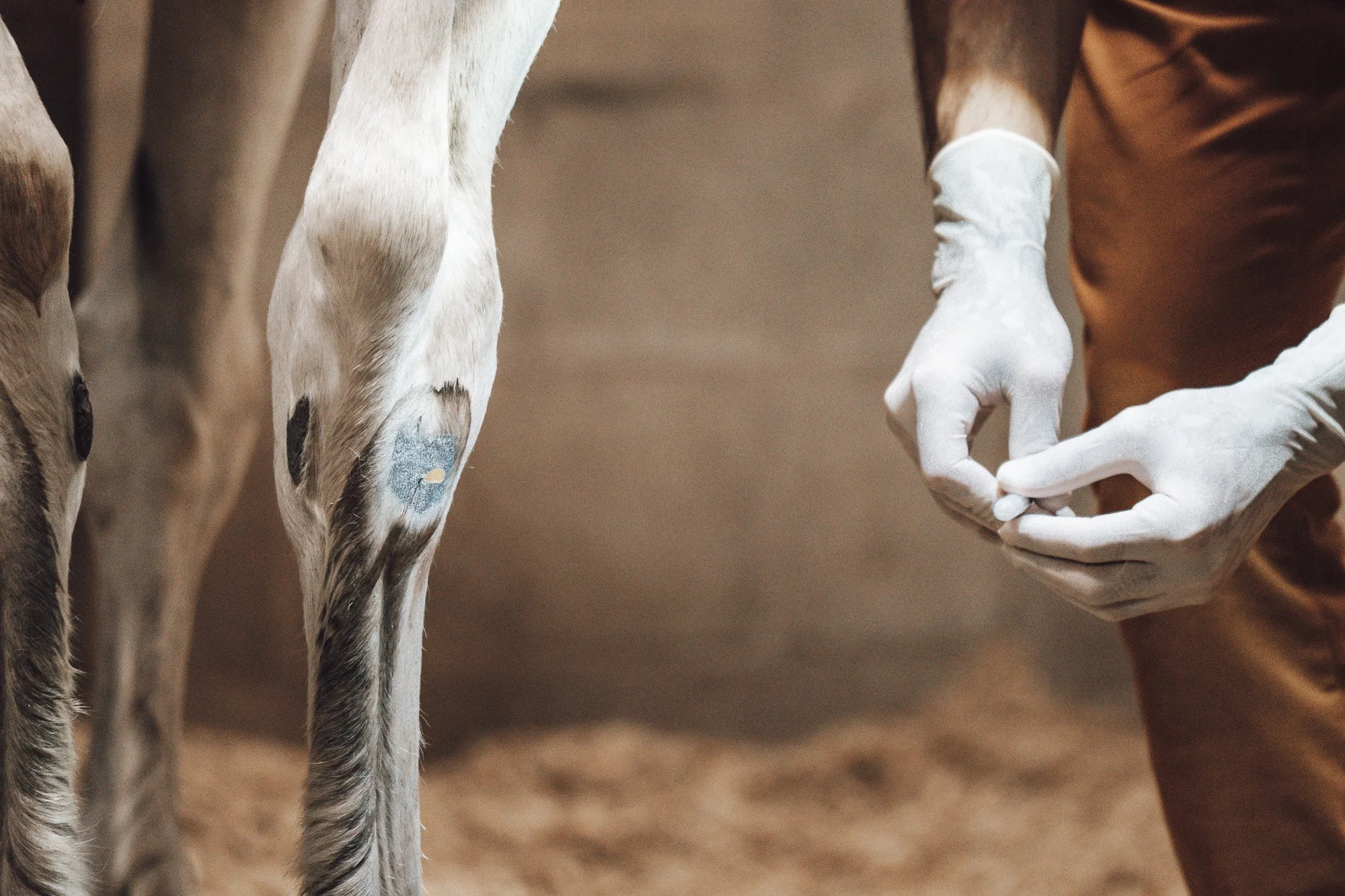
Where the cause is not immediately apparent, we may use diagnostic nerve or joint blocks to localise pain. These involve carefully administering local anaesthetic around a nerve or joint – if the horse moves more freely afterwards, this pinpoints the affected region.
Once the problem area is identified, digital radiography (X-rays) and/or ultrasound scanning are used to visualise internal structures and confirm a diagnosis. In complex cases, referral for MRI or bone scintigraphy may be recommended.
Treatment options are tailored to each case and may include:
Joint medications (e.g. corticosteroids, hyaluronic acid, Arthramid, α2-macroglobulin)
Regenerative therapies such as PRP or IRAP
Shockwave therapy
Physiotherapy and structured rehabilitation
Because some lameness cases can be complex, we recommend allowing at least two hours for the initial work-up. Further diagnostic imaging may require additional time depending on the findings.